PWO international products

Here you will find international products from PWO. These include knowledge, tools and materials that can be used beyond the Netherlands. The products are intended for professionals, family members and others involved in the support of people with intellectual disabilities and vulnerable older people.


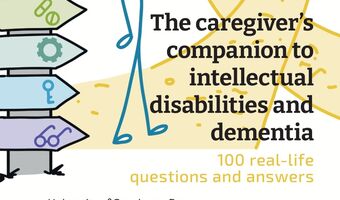
The caregiver’s companion to intellectual disabilities and dementia

The caregiver’s companion to intellectual disabilities and dementia answers the hundred most frequently asked questions from professional caregivers, family caregivers and students in clear language, based on the latest scientific knowledge and experiences in daily practice.

It covers topics such as recognizing dementia, diagnosis and daily support and helps professionals and family members to better understand changes and provide appropriate care.

You can find the book on the University of Groningen Press website.

BPSD-DS-2

The BPSD-DS-2 is an instrument designed to detect symptoms of dementia at an early stage in people with intellectual disabilities, particularly those with Down syndrome. It is administered to family members or caregivers, who report on behavioral and emotional changes observed in the individual being assessed. This makes it possible to identify changes that often go unnoticed in traditional cognitive tests.

Its main advantage lies in providing a structured, specific, and sensitive assessment of changes over time, making it a highly valuable tool for the early detection of Alzheimer-type dementia in people with intellectual disabilities, monitoring symptom progression, planning personalized interventions, and evaluating responses to psychosocial or pharmacological interventions in clinical or residential care settings.

You can find the BPSD-DS-2 on the Hogrefe Publishers website.

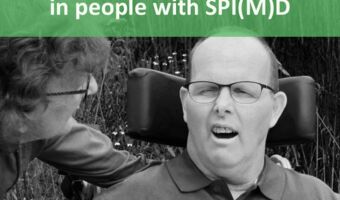
Dementia in people with profound intellectual and multiple disabilities (PIMD)

The diagnostic tool for dementia in people with PIMD supports professionals in recognising and assessing dementia in daily practice, based on knowledge of small and often subtle changes.

It is accompanied by a practical manual with background information and guidance for diagnosis and care, helping professionals and family members to better understand changes and provide appropriate support. Versions are available in German, English and French.

Download the tool and manual for free from Zenodo:

You can also find the tools and manuals on vb-dementie.nl:

Down syndrome and dementia

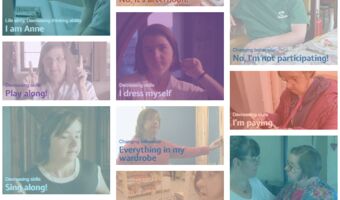
This learning programme offers case studies about dementia in people with Down syndrome, based on real-life situations shown in short films with accompanying learning materials.

It covers themes such as changes in behaviour, thinking and daily skills, and helps professionals and family members to recognise and better understand dementia in practice.

You can find the materials at downendementie.nl/en.

SD-ID

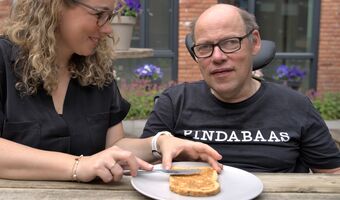
The SD-ID helps identify an increased risk of eating and swallowing difficulties (dysphagia) in people with intellectual disabilities. The SD-ID prevents the underrecognition of dysphagia in this population. By identifying an elevated risk of dysphagia at an early stage, appropriate diagnostic assessment and treatment can be initiated in a timely manner. This helps reduce health risks and improve quality of life.

The SD-ID consists of 29 yes/no questions about eating and drinking behavior. Professional caregivers can complete the screening in approximately four minutes and do not require any specific training to use the instrument. Interpretation of the results is reserved for speech and language therapists.

You can download the SD-ID for free from Zenodo:

PWO publications on Zenodo

Zenodo is an open access platform where research outputs are shared and made freely available, supporting the open science movement.

It includes PWO publications such as articles, reports and other materials based on practice and research, helping professionals and others to access and use this knowledge.

You can find the publications on Zenodo.